I remember sitting in class one day, staring at a math question:
“Find the value of X.”
I found the answer.
It was correct.
But when I walked out of school, life didn’t care about my X.
Because life never asks for one correct answer.
It asks for many possible ones.
That’s when I realized something scary —
Our education system trains us for certainty, not creativity.
And that’s why most people freeze when faced with uncertainty in business, work, or life.
In this blog, I’ll show you:
Why the system is built to make you think inside the box
How to reprogram your brain to think like an entrepreneur
And how to use Alex Hormozi’s Value Formula to become a high-value problem solver (in any field).
🧠 Table of Contents
The Truth: Schools Reward Convergence, Not Creativity
The Life Paradox: Real World Runs on Divergence
How to Rewire Your Brain for Divergent Thinking
The $100M Mindset: Using Hormozi’s Value Formula
The Challenge: Build Your “Creative Value Muscle”
✅ 1. The Truth: Schools Reward Convergence, Not Creativity
Let’s be real for a second.
From a young age, we’re trained like robots:
Memorize answers
Fill in blanks
Follow steps
Get the “right” answer
Everything is built around convergent thinking —
One question → One correct answer.
That’s great for passing exams.
But it’s terrible for thriving in life.
Because life doesn’t give you multiple-choice questions.
It gives you chaos, ambiguity, and moving targets.
💡 Takeaway:
“Education is not the learning of facts, but the training of the mind to think.” — Albert Einstein
✅ 2. The Life Paradox: Real World Runs on Divergence
In real life, there’s no single “right” way to build a business, find love, or create art.
There are millions of ways.
That’s called divergent thinking — the ability to generate multiple solutions to one problem.
Want to lose weight? You could change your diet, walk daily, meditate, or join a gym.
Want to earn money? You could sell your skill, your time, or your ideas.
Want to be happy? You could give, grow, or let go.
Each one works, depending on the person.
But the school system doesn’t teach you that.
It punishes experimentation.
It labels mistakes as “failure.”
And that’s why so many adults fear trying new things.
💡 Key Point:
Life is not a digital test — it’s an analog experiment.
✅ 3. How to Rewire Your Brain for Divergent Thinking
Here’s how I retrained my mind to escape “school-mode” thinking:
Step 1: Ask “What if…” instead of “What’s right?”
Every time you face a problem, pause and ask:
“What if I solved this differently?”
“What if there’s no wrong way?”
Step 2: Brainstorm 10 bad ideas
Set a timer for 5 minutes.
List 10 ridiculous ideas for solving one problem.
You’ll find that the 8th or 9th one often sparks genius.
Step 3: Study how kids play
Watch how kids build stories out of thin air.
They never say, “That’s not correct.”
They flow. That’s creativity in motion.
Step 4: Create constraints
Creativity doesn’t need freedom — it needs friction.
For example: “How can I solve this problem with ₹100?”
💬 Quote to Remember:
“Necessity is the mother of invention.” — Plato
✅ 4. The $100M Mindset: Using Hormozi’s Value Formula
Alex Hormozi says:
“People buy outcomes, not effort.”
Let’s apply that to your thinking.
Hormozi’s Value Equation looks like this:
Value = (Dream Outcome × Perceived Likelihood of Achievement) / (Time Delay × Effort & Sacrifice)
Now imagine your creativity as a product —
the more value it creates, the more powerful your brain becomes.
Let’s break it down:
Factor
In Business
In Creativity
Dream Outcome
“I want a million-dollar business.”
“I want to solve problems differently.”
Perceived Likelihood
“Can I really do this?”
“Can I really find new ideas?”
Time Delay
“How fast will it work?”
“How fast can I learn to think creatively?”
Effort & Sacrifice
“How much work does it take?”
“How much discomfort am I willing to face to unlearn old habits?”
To increase your creative value:
Clarify your dream outcome: “I want to become the person who finds 10 ways when others find one.”
Increase likelihood: Practice daily divergent thinking exercises.
Reduce time delay: Learn frameworks like first principles, mind mapping, and creative constraints.
Reduce effort: Turn creativity into habit — make it your brain’s default.
💡 Pro Tip:
Treat every problem like a customer. Your ideas are the offers.
The more options you give, the more valuable you become.
✅ 5. The Challenge: Build Your “Creative Value Muscle”
If you want to be irreplaceable, here’s your 7-day brain challenge:
🧩 7-Day Divergent Thinking Challenge
Day 1: Write 10 different uses of a brick.
Day 2: Solve one daily annoyance (like finding your keys) in 3 new ways.
Day 3: Watch a movie and list 5 ways the ending could change.
Day 4: Write 10 alternate titles for your favorite book.
Day 5: Ask “What if” for every decision.
Day 6: Read a random Wikipedia page and connect it to your work.
Day 7: Build something small using only what’s in your room.
💬 Remember:
Creativity isn’t a gift.
It’s a muscle — and you’ve just forgotten how to flex it.
Stop Searching for the “Right” Answer
The world doesn’t reward the smartest person.
It rewards the most resourceful one.
So the next time you’re stuck, don’t ask, “What’s the correct answer?”
Ask, “What are 10 ways I could solve this differently?”
That’s how you build creative confidence.
That’s how you build value.
And that’s how you build a life that feels like yours.
🚀 Call to Action
If this hit home, here’s your next move:
Reprogram your brain for divergent thinking — start small, start today.
Bookmark this article and share it with someone who’s stuck thinking like a test-taker.
And remember: The most creative life is built, not taught.
In today’s fast-paced world, finding moments of true peace and quiet can feel like an impossible task. We’re constantly bombarded with noise, both external and internal, making it difficult to connect with our inner selves. But what if there was a simple, yet profound tool to help you navigate the chaos and discover a deep sense of tranquility? Enter OM, the primordial sound, the essence of the universe, and a powerful key to unlocking inner peace. This article explores the significance of chanting OM and how it can become your pathway to clarity and stillness.
The Power of OM: Finding Stillness Within the Sound
OM, often written as AUM, is considered the most sacred syllable in Hinduism, Buddhism, and Jainism. It’s not just a sound; it’s a mantra that represents the universe and the ultimate reality. When chanted correctly, the vibrations of OM resonate through the body and mind, creating a calming and centering effect. It acts as a sonic bridge, connecting you to something larger than yourself and helping you to quiet the incessant chatter of the ego.
The beauty of OM lies in its simplicity. You don’t need any special equipment or years of training to experience its benefits. Simply find a quiet space, sit comfortably, and begin to chant. Focus on the sound, the vibrations, and the feeling it evokes within you. As you repeat the mantra, you’ll notice your thoughts begin to slow down, and a sense of peace starts to emerge. It’s a powerful tool for meditation and mindfulness, helping you to stay present in the moment and cultivate a deeper sense of awareness.
Moreover, the scientific community has started to explore the effects of chanting OM. Studies suggest that it can lower blood pressure, reduce stress and anxiety, and improve overall well-being. The vibrations produced by the sound stimulate the vagus nerve, which plays a crucial role in regulating the parasympathetic nervous system, responsible for rest and relaxation. So, chanting OM is not just a spiritual practice; it’s also a powerful tool for promoting physical and mental health.
Chanting OM: Your Pathway to Inner Peace and Clarity
Chanting OM is more than just repeating a sound; it’s an active meditation practice. To get the most out of it, it’s essential to understand the three sounds that make up the syllable: A, U, and M. The ‘A’ sound originates from the back of the throat and represents the waking state of consciousness. The ‘U’ sound rolls forward, vibrating in the chest and representing the dreaming state. Finally, the ‘M’ sound resonates in the head and nasal passages, representing the deep sleep state. The silence that follows the ‘M’ is said to represent the ultimate reality, the transcendent state beyond all three states of consciousness.
To chant OM effectively, start by taking a few deep breaths to center yourself. Then, begin to chant, focusing on the vibration and the sensations it creates in your body. Feel the sound move from the back of your throat to the front of your mouth and then resonate through your head. Don’t worry about getting it "perfect"; just focus on the sound and the feeling. You can chant OM silently or aloud, depending on your preference. Start with a few minutes each day and gradually increase the duration as you become more comfortable with the practice.
Integrating chanting OM into your daily routine can have a profound impact on your mental and emotional well-being. It can help you to manage stress, improve focus, and cultivate a deeper sense of inner peace. It’s a simple yet powerful tool that can help you to navigate the challenges of life with greater ease and resilience. So, why not give it a try? Find a quiet space, take a deep breath, and let the sound of OM guide you to a place of stillness and clarity within.
In conclusion, OM is more than just a sound; it’s a gateway to inner peace and clarity. By understanding the significance of the AUM syllable and incorporating chanting into your daily routine, you can unlock a profound sense of tranquility and well-being. It’s a simple yet powerful tool that can help you navigate the chaos of modern life and connect with your inner self. So, embrace the power of OM and embark on a journey to discover the stillness within the sound.
How to Find Your Life Purpose: A Journey of Self-Discovery
Finding your life purpose can feel like searching for a lost treasure. Many people spend their lives feeling unfulfilled, searching for something more, a reason to get out of bed each morning with excitement and anticipation. The good news is that your life purpose isn’t some mystical, pre-ordained destiny; it’s a journey of self-discovery, a path you create for yourself through intention, exploration, and self-awareness.
It’s not uncommon to feel overwhelmed by the question, “What is my purpose?” societal pressures and the constant barrage of information can make it difficult to tune into your inner voice and identify what truly matters to you. But with the right tools and perspective, you can embark on a fulfilling quest to unearth your unique contribution to the world.
Understanding What Life Purpose Truly Means
Before diving into the practical steps, it’s essential to understand what we’re actually talking about. Your life purpose isn’t necessarily about achieving world fame or making millions. It’s about finding a meaningful connection to something larger than yourself, aligning your actions with your values, and using your unique talents and skills to make a positive impact on the world, however big or small.
Think of it as your personal “why.” Why do you do what you do? What motivates you? What gets you excited and energized? It’s about finding the intersection between your passions, your skills, and the needs of the world.
The Inner Workings of Self-Discovery
The journey to finding your life purpose begins with introspection. You need to take the time to delve into your inner world and uncover your true passions, values, and interests. Here are some exercises to help you get started:
Journaling: Regularly write in a journal. Prompts can include: “What am I most passionate about?”, “What activities make me lose track of time?”, “What problems in the world do I care deeply about?”.
Meditation: Practice mindfulness meditation to quiet the mind and connect with your inner wisdom. Even a few minutes each day can significantly enhance your self-awareness.
Self-reflection: Regularly carve out time for quiet contemplation. Ask yourself important questions about your life, your goals, and your values. Are you living in alignment with what truly matters to you?
Exploring Your Talents and Skills
Everyone possesses unique talents and skills that can be used to make a positive impact. Consider what you’re naturally good at, what you enjoy doing, and what others often compliment you on. This could be anything from writing and speaking to problem-solving and creative expression.
Identify Your Strengths: Take a strengths assessment test or recall times when you felt confident and successful. What skills were you using in those situations?
Seek Feedback: Ask trusted friends, family, or colleagues for their perspective on your strengths. They may notice qualities in you that you take for granted.
Experiment: Don’t be afraid to try new things. Take a class, volunteer, or start a side project. You may discover hidden talents or passions you never knew you had.
How to Find Purpose Through Service and Contribution
Often, the most profound sense of purpose comes from serving others and contributing to something larger than yourself. Consider what problems in the world you care deeply about and how you can use your skills and talents to make a difference.
Identify Causes You Care About: What issues ignite your passion? This could be anything from environmental protection to social justice to animal welfare.
Volunteer Your Time: Find organizations that align with your values and offer your skills and time. Volunteering is a great way to explore different areas and discover what resonates with you.
Create Your Own Project: If you have a specific idea for how to make a difference, consider starting your own project or organization. This allows you to take direct action and create a meaningful impact.
Overcoming Obstacles on the Path to Purpose
The journey to finding your life purpose isn’t always easy. You may encounter obstacles such as fear, doubt, or a lack of clarity. Here are some strategies for overcoming these challenges:
Challenge Your Limiting Beliefs: Identify any negative thoughts or beliefs that are holding you back. Are these beliefs based on facts or assumptions? Challenge their validity and replace them with more empowering beliefs.
Embrace Failure as a Learning Opportunity: No one gets it right the first time. Don’t be afraid to make mistakes. View failure as a valuable learning experience that helps you grow and refine your path.
Seek Support: Surround yourself with supportive friends, family, or mentors who believe in you and your potential. Talk to them about your struggles and fears, and ask for their guidance and encouragement.
Embracing the Journey
Ultimately, finding your life purpose is a lifelong journey, not a destination. Be patient with yourself, trust the process, and remember to enjoy the ride. The more you explore, experiment, and connect with your inner self, the closer you will get to uncovering your unique contribution to the world. What you do truly matters, and that contribution can change the world in ways you could never imagine… Embrace the journey of self-discovery, and allow your purpose to unfold naturally over time.
How to Find Your Life Purpose: A Journey Within
How to find the life purpose is a question that has plagued humanity for centuries. We all, at some point, yearn to understand why we’re here, what we’re meant to do, and how we can make a meaningful impact on the world. This isn’t just about finding a career or a hobby; it’s about uncovering the deeper meaning that fuels your existence. It’s a quest for something more, something that resonates with your soul and gives your life direction.
While there’s no one-size-fits-all answer or a magic formula to discover your purpose overnight, this article explores practical steps and introspective exercises that can guide you on your journey towards uncovering your unique calling.
Understanding What Life Purpose Truly Means
Before embarking on the search, it’s crucial to understand what “life purpose” actually entails. It’s often confused with career goals, ambitions, or even societal expectations. However, your life purpose is something far more profound. It’s the intersection of:
Your Passions: What truly excites you? What activities make you lose track of time? What are you naturally drawn to?
Your Talents: What are you good at? What skills do you possess that come easily to you? What do people often compliment you on?
Your Values: What’s truly important to you? What principles guide your decisions and actions? What do you stand for?
What the World Needs: How can you use your passions, talents, and values to make a positive impact on the world around you? What problems can you solve? What needs can you fulfill?
Your life purpose isn’t necessarily a grand, world-changing ambition. It can be something small and personal, like raising kind and compassionate children, creating beautiful art that brings joy to others, or simply being a supportive and loving friend. The key is that it aligns with your inner self and makes you feel fulfilled.
Steps to Take On the Journey
Here are some practical steps you can take to begin your journey to discover your reason for being:
Self-Reflection: This is the foundation of the entire process. Spend time alone, free from distractions, and ask yourself deep questions. What makes you happy? What makes you angry? What are your biggest fears? Analyze your past experiences – both positive and negative – and look for patterns and recurring themes. Journaling can be a powerful tool for self-reflection.
Identify Your Values: Take some time to consider what’s truly important to you. Are you driven by creativity, security, freedom, or helping others? Make a list of your core values. This will help you make aligned decisions and guide your actions toward a more fulfilling life.
Explore Your Interests: Try new things! Step outside your comfort zone and explore different activities, hobbies, and fields of study. Take a class, volunteer, join a club, or attend a workshop. You never know what hidden passions you might uncover.
Experiment with Different Roles: Volunteer in different organizations, try freelance work in various fields, or shadow professionals in careers that interest you. This hands-on experience will provide valuable insights into what resonates with you and what doesn’t.
Embrace Failure: Don’t be afraid to try things that might not work out. Failure is a valuable learning opportunity and can provide clarity on what you truly want. View setbacks as stepping stones on your path to discovering your purpose.
Pay Attention to Your Intuition: Listen to your gut feelings. Your intuition often knows what’s best for you, even when your mind is trying to rationalize things. Trust your inner voice and follow its guidance.
The Importance of Perspective When Considering How to find the Life Purpose
Finding your place and reason for being is not always a straightforward, linear process. It often involves twists, turns, and unexpected detours. It’s crucial to be patient with yourself and embrace the journey as a process of self-discovery. Consider the following:
It’s a Marathon, Not a Sprint: Don’t expect to find your purpose overnight. It takes time, effort, and self-reflection. Be patient and persistent, and trust that you will eventually find your way.
Your Purpose May Evolve: What feels fulfilling today may not feel fulfilling tomorrow. Your purpose may change and evolve throughout your life as you grow and learn. Be open to new possibilities and willing to adapt.
Don’t Compare Yourself to Others: Everyone’s journey is unique. Don’t compare yourself to others or feel pressured to achieve a certain level of success. Focus on your own path and what makes you happy.
Seek Support: Talk to trusted friends, family members, or a therapist. They can offer valuable perspectives and support you on your journey.
Living a Purpose-Driven Life
Once you have a clearer understanding of your purpose, focus on living in alignment with it. This might involve making changes to your career, relationships, or lifestyle. Here are some ways to live a more purpose-driven life:
Set Meaningful Goals: Set goals that are aligned with your values and purpose. This means that the things you are working toward each day truly matter to you on a deeper level.
Take Inspired Action: Don’t just dream about your purpose; take inspired action towards it. Start small and gradually build momentum.
Surround Yourself with Positive Influences: Surround yourself with people who support your dreams and encourage you to live your best life.
Practice Gratitude: Appreciate the good things in your life and be grateful for the opportunities you have. Gratitude can enhance your joy and fulfillment.
Give Back to Others: Helping others is a powerful way to feel connected to something larger than yourself and make a positive impact on the world.
In conclusion, learning how to find the life purpose is a deeply personal and transformative journey. By engaging in self-reflection, exploring your interests, embracing failure, and listening to your intuition, you can unlock your unique calling and create a life that is both meaningful and fulfilling. Remember to be patient with yourself, embrace the process, and trust that you will eventually find your way. The world needs your unique gifts and talents, so don’t be afraid to shine!
When the word is “Digital Minimalism”, if you think I will tell you to stop watching Netflix or Your Instagram posts, Then You are Wrong.
Go into detail to learn what Digital Minimalism is all about and how it can give you a sense of control of your life and greater productivity.
Digital minimalism is all about being intentional and mindful of our technology. It empowers us to feel better, be more productive, and stay focused.
This approach puts us in control instead of leaving us at the mercy of our devices, encouraging us to choose technology that aligns with our values and goals.
Here, you will find insights for the points…
1. What is Digital Minimalism, or What does Digital Minimalism mean?
2. Digital Minimalism by Cal Newport
3. How to start or practice Digital Minimalism
4. Digital Minimalism for Students
5. How to do settings for Digital Minimalism in Android and iPhone.
6. Digital Minimalism Vs Deep Work
7. Digital Minimalism Challenge
8. Some suggestions on digital minimalism books.
Key Principle:
Let’s use technology for meaningful activities and reduce those habits that don’t serve us.
Cal Newport’s Insight:
Cal Newport encourages us to engage in high-value digital activities supporting our broader life goals.
These could include learning a new skill through online courses, staying connected with loved ones through video calls, or using productivity apps to manage tasks. In other words, let’s keep our devices from dictating how we spend our time and attention!
Why Digital Minimalism Matters
In today’s world, where we’re constantly connected, practising digital minimalism can pay off.
Research shows that too much screen time — especially on social media — can make us feel more anxious and distracted and can even affect our mental health.
Embracing digital minimalism can help us regain focus, boost our mental clarity, and enhance our emotional well-being.
Great Benefits of Digital Minimalism:
– Enhanced Focus:
We can dive deeper into our tasks, relationships, and personal growth by eliminating unnecessary distractions.
– Reduced Stress and Anxiety:
Overusing social media can pile on stress, leading to information overload and unhealthy comparisons. Digital minimalism offers fresh air, helping us break free from that cycle and feel lighter and more at ease.
– Improved Productivity:
When we spend our time on meaningful activities instead of mindless browsing, we can more effectively reach our personal and professional goals.
-Stronger Relationships:
Focusing on real-life connections instead of just digital ones can help us build better relationships with family, friends, and colleagues.
Transform Your Tech Habits: Digital Minimalism Made Easy
Let’s talk about something interesting — Digital Minimalism. If you’re wondering, it’s not about getting rid of your…
Many digital products are designed to be addictive. Social media, games, and even email often use psychological tricks — like notifications — to keep us engaged.
– Psychological Effects:
In Irresistible, Adam Alter explains how technology can trigger our brain’s reward system, making us crave instant gratification in ways similar to gambling.
How to Dive Into Digital Minimalism
Here are some easy-to-follow steps to kick off your journey into digital minimalism:
1.Digital Declutter:
Try a 7-day ‘digital declutter’ to reset your habits! This means taking a break from non-essential technologies, such as social media or excessive gaming, and gently bringing back the tools that enhance your life.
If 7 days seem harsh, start with just 2 hours a day — make it a fun challenge!
2.Be Intentional:
Ask yourself, “Does this tool help me achieve something meaningful?” If not, it might be time to limit its use.
3.Reclaim Your Time:
Set some boundaries with your devices. Consider reducing social media or opting for phone calls instead of texts.
Schedule times to check your email and stick to those times.
4.Embrace Solitude:
Take time to disconnect! Regular breaks from technology can spark creativity, encourage self-reflection, and clear your mind.
Pranab Hazarika on LinkedIn: #digitalminimalism #mythvsfact
DigitalMinimalism #MythVsFact Digital Minimalism isn’t about rejecting technology. It’s about using it intentionally…
www.linkedin.com
Digital Minimalism for Students
Adopting digital minimalism can significantly improve students’ academic performance and overall well-being.
Academic Success:
By reducing digital distractions, students can focus better on their studies. This leads to more efficient learning and better information retention, translating to improved grades.
By decluttering their digital lives, students create a more productive study environment.
Mental Well-being:
Constant connectivity can heighten stress, but digital minimalism encourages a healthier relationship with technology.
It allows students to take breaks and engage in relaxing activities. Setting limits on digital use helps to reduce feelings of comparison and the pressure always to be available, ultimately fostering better mental health.
Digital minimalism allows students to live more purposefully, improving focus, well-being, and academic success.
Practical Steps to Implement Digital Minimalism
– Audit Digital Habits:
Identify apps and platforms that drain your time or contribute to stress. Set limits, delete unnecessary apps, and prioritize tools that enhance productivity and creativity.
– Set Clear Boundaries:
Establish time frames for digital use, such as no phones during meals and no screens 30 minutes before bed, to foster a healthier relationship with technology.
If you are a night rider like me, it might not be easy to do a digital detox at night because I write on my laptop only at night.
But I resist using social media platforms for at least 15 to 30 minutes before bed.
– Prioritize In-Person Interaction:
Whenever possible, replace digital communication with face-to-face conversations.
This nurtures your relationships and reduces reliance on virtual interactions.
In the office, I prefer to meet my colleagues in person to discuss matters directly rather than making a call.
– Practice a “Digital Detox”:
Disconnect from screens regularly to focus on offline activities like reading, hiking, or spending time with loved ones.
Designating a tech-free day each week or month can be an effective reset.
I make it a habit to avoid checking my phone until I’m fully ready and sitting in my car for the office.
This practice brings a sense of calm to my mornings and allows me to enjoy meaningful conversations with my spouse over breakfast.
– Leverage Technology Wisely:
Utilize tools such as screen-time trackers, app blockers, and scheduling apps to manage your technology use effectively.
I use the Digital Well-being settings on my Android phone. I will add A step-by-step guide for Android and iPhone.
Watch this video to explore Android phone settings for Digital Well-being.
Digital Minimalism vs. Deep Work
While digital minimalism and deep work aim to enhance productivity and focus, they empower you to take control of your digital life.
Understanding these distinctions and synergies can help create a balanced and practical work and technology use approach.
Key Differences
– Scope:
Digital minimalism primarily focuses on reducing overall digital consumption and clutter in one’s life.
At the same time, deep work concentrates on creating periods of intense, distraction-free focus for cognitively demanding tasks.
– Application:
Digital minimalism is a lifestyle philosophy that extends beyond work hours, affecting personal technology use.
In contrast, deep work is primarily a professional practice designed to enhance productivity during work time.
– Goals:
The primary aim of digital minimalism is to reclaim time and attention from digital distractions.
At the same time, deep work seeks to maximize cognitive output and skill development through focused work sessions.
Complementary Aspects
Despite their differences, digital minimalism and deep work can be highly complementary:
1. Reduced Distractions:
The emphasis on decluttering one’s digital life in digital minimalism helps create the distraction-free environment necessary for deep work.
2. Improved Focus:
Practising digital minimalism makes it easier for individuals to engage in deep work as they resist digital distractions.
3. Enhanced Productivity:
Both philosophies aim to boost productivity and effectiveness, albeit through different means.
Implementing Both Approaches
To leverage the benefits of both digital minimalism and deep work:
1. Use digital minimalism principles to create a less distracting overall environment.
2. Apply deep work techniques during specific, high-priority work sessions.
3. Establish clear boundaries between work and personal time, using digital minimalism to enhance both areas.
Combining these approaches can provide a robust framework for maximizing focus, productivity, and overall well-being in our increasingly digital world.
— –
Digital Minimalism Challenge: Embrace a Happier, Simpler Digital Life!
24-Hour Digital Detox:
Pick one day a week to unplug from all your digital devices!
Use this time to dive into fun offline activities, enjoy the beauty of nature, or hang out with family and friends.
If a whole day feels tricky, no worries — try it for just four hours every Sunday!
App Declutter Challenge:
Take a little time to review the apps on your phone and delete at least 5 that you haven’t touched in the past month.
Be brave! Think about which apps genuinely bring joy or usefulness to your life.
Notification Blackout:
For one week, turn off all non-essential notifications on your devices.
Only keep the important ones, like phone calls or work-related messages. Enjoy the peace of mind and reduced stress that comes with fewer distractions!
I keep notifications only for official emails and all phone calls, muting all other app notifications.
This way, I check them on my terms, giving me a sense of complete control.
Social Media Fast:
Identify the social media platform that takes up most of your time and take a break from it for 3 days.
Notice how this change affects your mood and productivity. You might be surprised!
Screen-Free Evenings:
Try having “no screens after 9 PM” (or after 11 PM if you’re more of a night owl) for one week.
Use this time to read, journal, or have great conversations with those around you.
If you want to start a bedtime habit like journaling or reading, now is the perfect time to begin.
Imagine having 30 minutes before bed — how would you spend it?
You could enjoy quality time with family, read a few book pages, or even start journaling.
Analog Morning Routine:
For the first hour after you wake up, let go of all digital devices. Instead, spend that time meditating, exercising, or enjoying a good old-fashioned book.
It’s a refreshing way to start your day!
If you’re not up for meditating or reading, that’s okay — do nothing.
But avoid reaching for your phone and see how it makes you feel.
One-In, One-Out / First-In, First-Out Digital Rule:
Remove one from your collection for every new app or digital subscription you add.
This keeps your digital space tidy and manageable!
This concept, First-In, First-Out (FIFO), is common in programming.
It means that the first item added to a stack will also be the first one removed.
Tech-Free Meals:
Establish a “no devices at the table” rule for all meals for a week.
Focus on enjoying your food and having meaningful conversations.
A dentist and an internal medicine specialist advised me that eating without screens is much healthier.
Using screens while eating can even contribute to acidity problems.
There is a old saying, “You become what you eat.” So, eat with mindfulness and focus.
Purposeful Tech Use:
Before you dive into any digital device or app, pause and ask yourself, “What’s my intention?”
Make sure you have an apparent reason for using it.
Key Note:
Remember, there’s no need to tackle all these challenges simultaneously — doing too much can feel overwhelming!
But as you complete each challenge, you’ll feel a sense of accomplishment that will motivate you to continue.
The goal is to create positive changes in your life, not to add pressure.
Moreover, it should not interfere with our personal or professional lives. For instance, it shouldn’t mean ignoring an urgent message from your spouse just because of digital minimalism.
Digital minimalism doesn’t mean that.
The Benefits of a Mindful Digital Life:
Embracing digital minimalism can bring many positive changes, like
-improved mental health,
-increased productivity, and
-stronger connections.
Similarly, deep work can lead to enhanced cognitive output and skill development.
By setting clear boundaries and focusing on meaningful digital interactions, you can enjoy a healthier, more balanced relationship with technology.
Digital minimalism isn’t about abandoning tech; it’s about using it to enhance your life, align with your values, and bring you joy!
Concluding Thoughts:
Digital minimalism invites you to take a thoughtful, values-driven approach to technology.
By consciously limiting digital distractions and embracing deeper engagement, we can lessen the negative impacts of digital overload and create a more vibrant, fulfilling life.
Let’s embark on this journey to enhance our productivity and well-being through digital minimalism and deep work!
It’s not about finding the one channel that tells the complete truth. Instead, it’s about choosing the version of the truth that you want to listen to.
Have you ever thought about how the news we watch or the articles we read can show a little bit of who we are? In our busy world, the media we choose tells a story about our beliefs, our values, and even our dreams.
Our Media Choices and Us
Every day, we make choices about what we see and hear. We pick a favorite news channel, read a special book, or follow an interesting person on social media. These choices are not random. They match our ideas and feelings. In other words, the media we choose shows what we believe and who we want to be.
The Unconscious Choice
When you choose a news channel, it is often because it tells a story that feels right to you. It is not always about finding the one true story. Rather, it’s about hearing the version of the truth that fits with your own ideas. This happens with everything from books and movies to the friends we make online. It is like picking your favorite flavor of ice cream because it tastes the best to you.
The Family Mirror
Have you noticed that your family often likes the same news or shows as you do? This is like looking into a mirror. When everyone in the family enjoys the same news source or TV show, it shows that you share similar ideas. Sometimes, family members might have different opinions, and that can lead to fun conversations at dinner. These small choices in our daily lives can help us understand each other better.
The Echo Chamber Effect
Sometimes, we only listen to the same ideas over and over again. This is called the “echo chamber effect.” It means we surround ourselves with thoughts that are just like our own. While this can feel safe and comforting, it might stop us from hearing new ideas. Imagine if you only ever heard one song all day—it might get boring! The same goes for our thoughts. Hearing different ideas can help us grow and learn.
Diverse Opinions: A Family Dinner of Thoughts
Think of diverse opinions like a big family dinner. At dinner, everyone might bring a different dish to the table. Some dishes might be new or a bit different from what you usually eat. They make the meal more exciting and full of flavor. When we listen to ideas that are different from our own, we learn new things. It might be hard at first, but it makes our lives richer and our minds stronger.
Conclusion
Our media choices are more than just habits. They show our beliefs and help shape our world. When we choose to listen to different ideas, we open ourselves up to a big, colorful world full of new thoughts and opportunities. Remember, it is not about giving up your favorite ideas. It is about enjoying many different flavors of thought and seeing the beauty in our differences.
By understanding that our choices create our reality, we can learn to embrace a wider range of ideas. This makes our lives more interesting and our conversations more fun. So next time you pick a news channel or a book, remember: you are choosing a little piece of your identity. Enjoy the adventure of discovering all the different stories in the world!
It’s not about which channel is telling the truth. It’s about which version of the truth you’re willing to hear.
Introduction
In the world of constant information flow, our choices in media consumption are more than mere preferences; they reflect our innermost beliefs and ideals. The news channels we tune into, the articles we read, and even the social media feeds we scroll through all echo our voices reverberating to us. This phenomenon isn’t just about being comfortable; it’s about affirming our sense of self and our place in the world.
The Unconscious Choice
When we select a news channel, it’s rarely a random choice. It’s an unconscious alignment with our principles, a nod to our existing opinions. The question, then, is not about the factual accuracy of the news but about aligning the channel’s narrative with our own. This holds for the books we read, the influencers we follow, and even our family conversations.
The Family Mirror
Our family’s preferences can often be a mirror of our own. If there’s a consensus on a particular news source, it might indicate a shared worldview or political leaning. Conversely, diversity in preferences might reflect the spectrum of opinions and discussions at the dinner table. This isn’t just limited to news — it extends to entertainment, sports, and even the brands we buy.
It’s not about which channel is telling the truth. It’s about which version of the truth you’re willing to hear.
The Echo Chamber Effect
The echo chamber effect is a natural inclination to engage with media that reinforces our existing beliefs. This preference extends beyond news channels—it encompasses the systems we support, the products we buy, and even the communities we are part of. Having our views validated and unsettlingly challenged is comforting.
The Challenge of Diverse Opinions
Embracing diverse opinions is challenging. It requires stepping out of our comfort zone and confronting the possibility that our ‘version of the truth’ is not the only one. It’s about the willingness to listen to other perspectives, even if they don’t support our pre-existing beliefs.
Conclusion
Our preferences shape our realities, creating a unique world yet often isolated from differing perspectives. Understanding this can be the first step toward broadening our horizons and appreciating varied viewpoints. It’s not about abandoning our preferences but being open to the world’s thoughts. After all, it’s in the diversity of opinions that the true colors of humanity shine brightest.
Discover how a disciplined approach shapes our Health, boosts our Wealth, and defines our Success.
In a world full of distractions and quick rewards, discipline is a powerful trait that turns dreams into results. We’ll examine the role of discipline in three crucial areas of our lives:
Health,
Wealth
Success
Holding on to discipline can mean the difference between short-lived wishes and long-lasting accomplishments.
The Pillars of Health: Nutrition, Exercise, Rest
Discipline helps maintain a healthy balance of eating right, exercising, and getting enough rest. It’s like a silent vow to yourself to eat well, stay active, and sleep enough.
Good nutrition is crucial to your energy and Health. Eating a diet full of whole foods and essential nutrients takes discipline; choose fresh options over processed foods.
Regular exercise builds and maintains your physical strength. Staying disciplined in your exercise routine, like going for morning runs or following a workout schedule, is crucial for long-term Health.
Rest is just as important but often overlooked. Discipline in rest means getting enough sleep and understanding when to take breaks, which lets your body heal and recharge.
Wealth Management: Spending, Investing, and Income
Financial Health: Just like staying healthy requires discipline, managing money well does, too. It means making a budget carefully and sticking to it firmly. Being frugal isn’t about not allowing yourself to have things; it’s about spending money on what truly matters to you.
Growing your money steadily requires a disciplined approach when it comes to investing. It would help if you didn’t react hastily to market ups and downs but instead rely on careful research, patience, and sticking to your plan even when things get shaky.
To achieve financial independence, you must be disciplined in creating different money-making methods. This involves tirelessly looking for new chances and turning your ideas into profitable businesses.
Pursuit of Success: Progress and Advancement
Success in any area comes from being disciplined. It’s about improving daily, working hard at what you do, and continuously improving yourself and your work.
Staying dedicated to improving isn’t just a one-time push; it’s a steady effort. It means making small goals, being happy with little wins, and always trying to do better than before.
Jocko Willink’s idea is that being disciplined sets you free. It’s not about having no rules, but being in charge of yourself. Discipline means making choices that match what’s important to you and what you want to achieve. It’s about managing your immediate desires to make your future better.
In Health, it is freedom from illness and the vigor to pursue life’s adventures. In finances, it is the liberation from debt and the power to shape one’s destiny. In personal endeavors, independence from mediocrity is the platform to reach new heights of Success.
In summary, discipline is the quiet power that drives people to their highest point. It shapes our possible achievements and confidence into real Success. Hold onto discipline because it’s the secret to true Freedom.
In life’s journey, a vital key can unlock doors to success, build unwavering confidence, shield us from disasters, and help us stay in control when chaos strikes. That key is consistency. It is not just a routine; it’s a way of life, a powerful tool that can transform you into a confident, resilient individual ready to face any challenge.
Consistency: Your Secret Weapon
We often hear about the importance of consistency, but what does it mean, and how can it be our secret weapon? Consistency is not just about doing the same thing over and over. It’s about committing to a path and staying true to it, regardless of obstacles. It’s the unwavering belief that every action you take and every step you take contributes to your growth and success.
Building Confidence
Consistency is like the master architect of your confidence. You start to see progress when you consistently work towards your goals, whether in your career, relationships, or personal development. Small achievements accumulate over time, and each adds a brick to the foundation of your self-confidence. With each accomplishment, you become more assured of your abilities.
Imagine waking up daily with the conviction that your actions matter and that your efforts will lead to success. That is the gift of consistency. By repeatedly setting and achieving goals, you reinforce the belief that you are capable of greatness. In turn, this newfound self-assurance radiates to those around you, inspiring them as well.
Consistency serves as a shield, protecting you from the unexpected troubles that life may throw your way. You create a safety net when you consistently plan, prepare, and take action. Just as a well-maintained shield can deflect incoming threats, your consistent efforts can deflect potential disasters.
Consider this scenario: You’ve consistently saved a portion of your income. When an unexpected medical expense arises, you have the financial cushion to cover it. Your consistent efforts to maintain good health and well-being can prevent inevitable health crises. Consistency allows you to be proactive rather than reactive, ensuring you are well-prepared for life’s uncertainties.
Staying in Control During Chaos
Life is unpredictable, and storms may come your way. It could be a sudden job loss, a family emergency, or a personal setback. During these chaotic times, consistency becomes your anchor. It provides stability when everything else feels turbulent.
When you have consistent daily routines and habits, you maintain control over your life, even amid chaos. Your routines serve as a lifeline that keeps you grounded and focused. They remind you of your goals and provide comfort in adversity.
Conclusion:
In conclusion, consistency is not just a word; it’s a way of life. It is the key to
-building confidence,
-avoiding disasters, and
–staying in control during the chaos.
With consistency, you unlock your true potential and become the master of your destiny.
So, whether you are an engineer like me, a content creator, a reader, or pursuing any other path in life, remember that consistency is the thread that weaves your success story. It is your secret weapon, your shield, and your anchor. Embrace it, and watch it transform your life in ways you never thought possible.
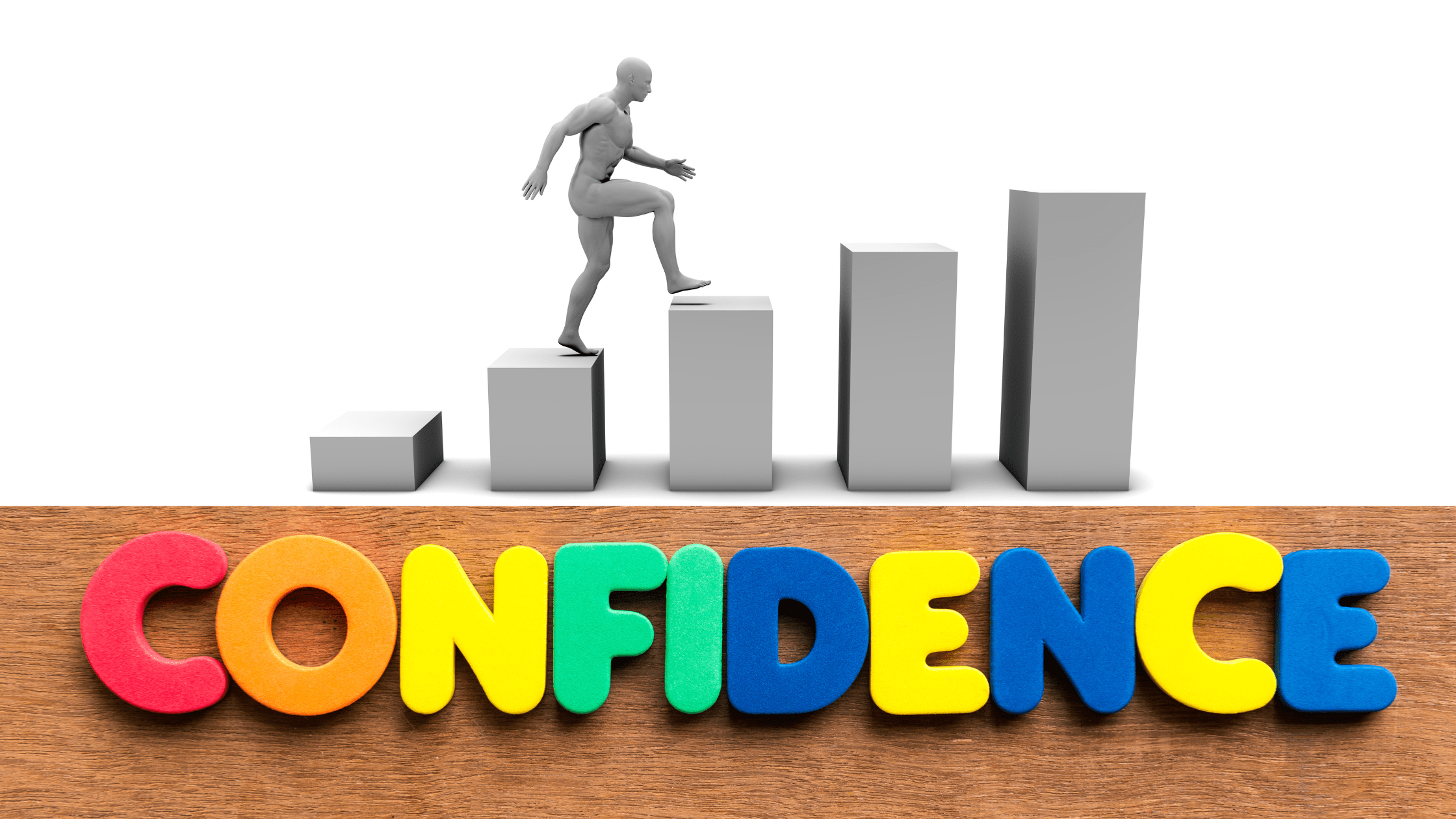
In today’s fast-paced world, confidence is the key that unlocks the doors to success. It’s not just about feeling good about oneself; it’s about taking action and achieving one’s goals. This article will explore the profound connection between confidence, action, and achievement and how to harness this power to transform your life.
The Root of True Confidence
True confidence isn’t merely a surface-level attribute that can be faked. It’s deeply rooted in one’s self-belief and the knowledge that you can conquer challenges. It’s about recognizing your worth and capabilities. When you believe in yourself, you’re likelier to take action and pursue your dreams with unwavering determination.
Taking the First Step
Confidence begins with that critical first step, often the most challenging. When you take that step, you say, “I can do this.” It’s a declaration of your belief in yourself. Whether starting a new business, embarking on a fitness journey, or publishing a book, that initial step is where true confidence takes root.
Overcoming Fear and Doubt
Fear and self-doubt are common obstacles that hinder confidence. They are like roadblocks on the path to success. However, confidence empowers you to confront these fears head-on. Instead of retreating, you face them with the conviction that you can overcome adversity. By doing so, you not only build confidence but also resilience.
The Power of Achievement
Confidence is a self-fulfilling prophecy. When you believe in your abilities, you are more likely to take action; when you do, you are more likely to achieve your goals. It’s a positive feedback loop that propels you toward greater heights of success.
Achievement, whether big or small, reinforces your confidence. Each success becomes a building block for your self-assurance. It’s a testament to your capabilities and a reminder that you can accomplish even more. This is where the magic happens – in the cycle of confidence and achievement.
The Role of Self-Help and Personal Development
As someone deeply interested in self-help, you understand the significance of continuous personal development. Reading non-fiction and self-help books can provide valuable insights into building confidence, conquering fears, and taking action. These books are like roadmaps that guide you on your journey to unlocking true confidence.
Your pursuit of knowledge about the human brain and productivity is a testament to your commitment to self-improvement. You understand how your brain works, and optimizing your productivity can significantly boost your confidence. When you know how to make the most of your mental faculties, you become more efficient in taking action and achieving your goals.
The Path to Happiness and Peace of Mind
Confidence isn’t just about professional success but also personal fulfillment. When you’re confident, you tend to be happier and experience greater peace of mind. You approach life’s challenges positively, knowing you can overcome them.
Success in Life
Success is a multifaceted concept that means different things to different people. Whether your definition of success includes financial freedom, personal accomplishments, or social recognition, confidence is the common denominator. It’s the driving force behind your journey to success.
In Conclusion
Unlocking true confidence is the foundation of your journey to success and personal fulfillment. It’s the catalyst for action, achievement, and a life well-lived. By believing in yourself, confronting fears, and leveraging your knowledge, you’re well on your way to making your goals a reality.
Remember, confidence is not a destination; it’s a lifelong journey. Embrace it, nurture it, and watch as it propels you toward the heights of success you’ve always envisioned.
When starting a new journey, the question often arises: “Do we truly require a mentor?” As someone who has experienced the transformative impact of having a mentor, I can confidently say that the answer is a resounding “yes.” This article explores why seeking a mentor is essential for personal growth.
The Solo Workout
My fitness journey serves as a vivid example of the power of mentorship. I dedicated myself to gym workouts for over a year with no trainer or coach. I relied solely on YouTube videos to learn the techniques and routines. Initially, it seemed like I was making progress, but my body wasn’t genuinely transforming as I had hoped.
The Turning Point
After more than a year of solitary workouts, I bought an official gym trainer. This trainer soon became a good friend of mine. The impact was astonishing. It took me another year to see the proper transformation. Suddenly, my body began to take shape, and compliments started pouring in at the gym and my workplace. It made me question why my previous efforts hadn’t yielded the desired results.
The Mentor’s Magic
The answer was clear: having a mentor, in this case, a gym trainer, was the missing piece of the puzzle. While I knew the exercises and their correct forms, the subtle nuances and immediate feedback from a mentor were game-changers. When performing a deadlift, I thought I had the perfect posture, but my mentor-friend would say,
“Pranab, keep your back straight.”
“Pranab, hold your breath.”
“Pranab, hold tight to your core.”
These simple corrections made all the difference.
The Mentor’s Role
A mentor is someone who guides, teaches, and provides invaluable feedback. They ensure you’re on the right track, make necessary corrections, and help you achieve your full potential. The mentor is the one who shares their experience, expertise, and wisdom, setting you on a path to success.
The Coach’s Influence
A coach, on the other hand, is not just an instructor but a motivator. They roll their sleeves and work alongside you, pushing you to surpass your limits. A coach is like a personal cheerleader, always encouraging you to give your best.
The Friend’s Support
In addition to mentors and coaches, having supportive friends is crucial. Friends stand by your side and provide unwavering encouragement. They’re the ones who say,
“Come on, Pranab, you’ve got this.”
Now….
Imagine life as a dense jungle with no clear path. Beyond the jungle lies success, happiness, and fulfillment. Trying to navigate the jungle alone could take weeks, even months, to reach the other side. On the contrary, with a mentor, it’s like having someone who has crossed that jungle multiple times. They guide you through it, show you the way, and help you reach your destination in a fraction of the time.
Why Should We Seek a Mentor
Seeking a mentor is not a sign of weakness; it’s a sign of wisdom. Here’s why you should consider having a mentor:
1. Accelerated Learning
A mentor’s knowledge and experience accelerate your learning process. They’ve been through the challenges and can help you avoid common pitfalls.
2. Personalized Guidance
Mentors provide tailored advice based on your individual needs and goals. They understand your strengths and weaknesses and craft a strategy to suit you.
Mentors and coaches keep you motivated and accountable. They won’t let you give up easily, pushing you to persist and achieve your objectives.
4. Networking Opportunities
Mentors often introduce you to valuable connections and opportunities in your field, expanding your network.
5. Confidence-Boost
Having someone in your corner who believes in you can significantly boost your self-confidence.
Selection of a Mentor/Coach:
Selecting a mentor or coach is a crucial decision, and it should be made with care. As Indian film actor Amir Khan wisely put it,
“I start by closely observing and thoroughly evaluating the director. Once I establish trust, I wholeheartedly commit to their guidance and faithfully follow their instructions.”
In conclusion, the power of having a mentor cannot be overstated. Whether in your fitness journey, career, or any other aspect of life, a mentor can be the guiding star that propels you to success. Their knowledge, experience, and unwavering support make your journey smoother and more fulfilling.
So, when pondering whether you genuinely require a mentor, remember the choice between a 1-month solo journey through the dense jungle or a one-day guided expedition led by a knowledgeable mentor. The answer becomes apparent: the mentor is the compass that points you in the right direction, ensuring you reach your destination efficiently and with flying colors.
Frequently Asked Questions
What if I can’t find a suitable mentor?
Finding a mentor can be challenging, but don’t give up. Look for mentors in your network, industry events, or online communities. You can also consider virtual mentors through books, podcasts, and online courses.
2. Can I have multiple mentors for different aspects of my life?
Absolutely. You can have mentors for various areas, such as career, personal development, and hobbies. Diverse mentorship can provide a well-rounded growth experience.
3. Is mentorship only for beginners?
No, mentorship is valuable at all stages of life. Experienced individuals can benefit from a mentor’s perspective, especially when facing new challenges or transitions.
4. Can a mentor be a friend or family member?
Yes, mentors can come from various backgrounds. A friend or family member with expertise in your area of interest can serve as a mentor and provide valuable guidance.