
Who Will Cry When You Die? by Robin Sharma

Book Name: Who Will Cry When You Die?

Author: Robin Sharma

One-Line Summary (Core Message):

A practical guide to living with purpose, mindfulness, courage, and compassion—so that your life becomes a legacy, not just an existence.


2. Three Key Takeaways (High-Level)

1. Small daily habits create a meaningful life.

Your legacy is shaped not by big events but by consistent, tiny decisions.

2. Inner mastery leads to outer success.

Peace of mind, strong character, and disciplined actions form the foundation of a fulfilled life.

3. Serve others to elevate your own life.

The more value you add to others, the richer your own life becomes—emotionally, spiritually, and socially.


3. Key Points (15–21 Essential Life Lessons)

1. Discover Your Calling

Identify work that energizes you—your life expands when you align action with purpose.

2. Practice Daily Solitude

Quiet time enhances clarity, lowers stress, and strengthens creativity.

3. Keep a Journal

Journaling is a tool for reflection, emotional release, and conscious decision-making.

4. Build Strong Character

Integrity, kindness, and humility shape a life that others admire and remember.

5. Focus on the Present Moment

Avoid living in regrets or anxieties; power lies in NOW.

6. Prioritize Your Health

Treat your body with respect—movement, sleep, and nutrition amplify productivity.

7. Learn Continuously

Read daily. Excellence grows from lifelong learning.

8. Cultivate Discipline

Success is a by-product of routines, small commitments, and consistency.

9. Practice Gratitude

Gratefulness shifts your emotional state instantly and strengthens mental resilience.

10. Sow Goodness Daily

Small acts of kindness multiply and create deep emotional wealth.

11. Live Simply

Reduce clutter—mental and material. Simplicity brings focus.

12. Use Time Wisely

Don’t major in minor things. Time is life; protect it fiercely.

13. Forgive Quickly

Holding grudges consumes emotional energy; release and free your mind.

14. Push Beyond Comfort Zones

Growth and breakthroughs happen only when you stretch your limits.

15. Embrace Failure as Feedback

Every setback contains a hidden gift—learn, adjust, evolve.

16. Build Meaningful Relationships

Invest love, attention, and presence in people who matter.

17. Celebrate Life’s Small Moments

Joy lives in ordinary experiences—notice them deliberately.

18. Live with Purposeful Urgency

Life is short; act on your dreams without waiting for the “perfect time.”


4. Quotes (Powerful Insights from the Book)

“Your life is meant to be far more than it is now.”
“The smallest of actions is always better than the noblest of intentions.”
“Kindness, quite simply, is the rent we must pay for the space we occupy on this planet.”
“Ask not for a lighter load, but for broader shoulders.”

These quotes reflect the book’s core: meaning is built through small actions, courage, and kindness.


5. Tools & Techniques for Personal Growth

Section Title: Practical Life Architecture Toolkit

These tools help readers implement the book’s principles:

1. The 20-Minute Morning Reset

  • 5 minutes deep breathing

  • 10 minutes journaling

  • 5 minutes gratitude or intention-setting

Build emotional clarity before the world intrudes.

2. The Daily Kindness Rule

Perform one intentional act of kindness for someone each day—message, help, smile, compliment.

3. Weekly Personal Review

Every Sunday:

  • What went well?

  • What needs improvement?

  • What will I focus on next week?

A simple system for continuous self-correction.

4. The “One Habit Per Month” System

Choose one micro-habit (reading 10 pages, walking 20 minutes, no phone after 10 PM).
Master it for 30 days → move to next.
This compounds over years.

5. The Attention Cleanse

Eliminate one mental distraction for 7 days—news, gossip, toxic accounts, unnecessary notifications.

6. The 90/90 Productivity Method

For the next 90 days → spend the first 90 minutes daily on your most meaningful project.


6. Suggested Books for Further Reading

Books Mentioned or Aligned with the Themes:

1. The Monk Who Sold His Ferrari – Robin Sharma

A deeper dive into purpose, mastery, spirituality.

2. The 5 AM Club – Robin Sharma

A system for elite performance through morning routines.

3. Man’s Search for Meaning – Viktor E. Frankl

A profound exploration of purpose, suffering, and resilience.

You can get Your Paperback copy Who Will Cry When You Die, here.

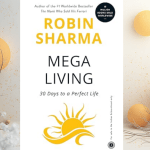
Mega Living by Robin Sharma

(Mega Living! – Robin Sharma)

Key Points 

1. Master Your Mind First
The foundation of a great life is mastering your thoughts, beliefs, and internal dialogue.

2. You Become What You Think About Most
Your dominant mental patterns shape your identity, habits, and outcomes.

3. Morning Rituals Shape Your Destiny
Robin emphasizes that the first hour of your day determines your effectiveness throughout the day.

4. A Life of Greatness Requires Discipline
No world-class performance occurs without self-discipline and sacrifice.

5. Continuous Self-Education is Non-Negotiable
Daily learning (books, reflection, journaling) upgrades your mental software.

6. Control Your Environment to Control Your Life
Your surroundings, people, and digital inputs directly influence your performance.

7. Set Clear, Measurable Life Goals
Without vision, your brain cannot activate the subconscious GPS toward achievement.

8. Daily Exercise is Essential for Mental Clarity
Physical fitness boosts emotional strength, energy, and attention.

9. Meditation Unlocks Inner Power
Stillness trains your mind to focus, reduce fear, and access creativity.

10. Serve Others to Create a Meaningful Life
Contribution and kindness unlock higher purpose and deeper joy.

11. Live with Simplicity & Minimalism
Remove clutter to increase mental spaciousness and focus.

12. Build a Powerful Personal Philosophy
Values + principles + long-term thinking = life transformation.

13. Journaling Creates Self-Awareness
Writing thoughts daily sharpens clarity, confidence, and direction.

14. Use Visualization for Goal Achievement
Your brain cannot distinguish vividly imagined experiences from real ones.

15. Build Small Daily Wins (The 1% Rule)
Tiny improvements compound into extraordinary results over months and years.

16. Nourish Your Mind with Positive Inputs
Books, audiobooks, mentors, and uplifting content are mental nutrition.

17. Design a Life Blueprint
Define what your ideal life looks like across health, wealth, relationships, spirituality, and career.

18. Eliminate Time Vampires
Protect attention fiercely — avoid distractions, draining people, and meaningless digital consumption.

19. Live with a Sense of Urgency
Your time is limited; act boldly, start early, and stop waiting for the perfect moment.

20. Practice Gratitude Daily
Gratitude reshapes your emotional state immediately and builds long-term optimism.

21. Build High-Value Habits
Habits determine the trajectory of your entire life — choose consciously.


Quotes (Mega Living!)

🗣 “You can live your life by choice or by chance. The choice is yours.” – Robin Sharma
🗣 “What you focus on grows. What you think about expands.”
🗣 “Your outer world reflects the state of your inner world.”
🗣 “Small daily improvements over time lead to stunning results.”
🗣 “Awaken your mind, unleash your potential, and take charge of your destiny.”


Life Transformation Toolkit (Tools & Techniques You Can Apply Today)

A powerful, action-ready section to help readers implement Mega Living principles.

1. The 60-Minute Morning Ritual

Breakdown:

  • 20 min exercise

  • 20 min reading

  • 20 min meditation/journaling
    This creates peak mental and physical performance for the day.

2. The Daily Mind Diet

Feed your brain with:

  • 10 pages of a great book

  • 1 podcast or audio lesson

  • Limit negative content, toxic conversations, and social media

3. 5×5 Goal System

Write daily:

  • 5 long-term goals

  • 5 actions for today
    This aligns daily execution with life vision.

4. The 10-Minute Mental Rehearsal

Every morning or night:
Visualize your ideal day, your higher self, and the life you want.
Helps build subconscious alignment.

5. The Weekly Review Ritual

Every Sunday:

  • Analyze your wins

  • Identify mistakes

  • Plan your next week
    This builds long-term consistency.

6. The Simplicity Audit

Eliminate:

  • 3 toxic people

  • 3 distracting apps

  • 3 unnecessary tasks
    Creates deep focus and clarity.

7. Gratitude + Affirmations Combo

Write 3 gratitudes + 3 affirmations daily.
Boosts emotional state and confidence.

8. The 1% Upgrade Protocol

Choose ONE area (health, wealth, relationships, creativity)
Improve it by just 1% every single day.


Further Reading (Books Connected to Mega Living!)

Books Robin Sharma recommends or aligns with:

  1. The Monk Who Sold His Ferrari – Robin Sharma
    Spiritual success and life purpose.

  2. The 5 AM Club – Robin Sharma
    Deep dive into morning routines and peak performance.

  3. Who Will Cry When You Die – Robin Sharma
    Practical life lessons for everyday living.

Related Recommended Books (Same Theme):

  1. Awaken the Giant Within – Tony Robbins
    Mind mastery, emotional mastery, identity change.

  2. The Power of Positive Thinking – Norman Vincent Peale
    Harnessing optimism for results.

  3. The Magic of Thinking Big – David J. Schwartz
    Expanding mental models for success and high achievement.


For the complete richness and full depth of the book, you will get the full copy of the book (Mega Living) here.

The Monk Who Sold His Ferrari by Robin Sharma

By Robin Sharma

Key Points

  1. Master Your Mind
    Your outer world is a direct reflection of your inner world. Mental mastery is the foundation of life transformation.

  2. Cultivate Purpose
    A meaningful life requires a clearly defined purpose that guides all actions and decisions.

  3. Kaizen – Constant Improvement
    True success is built on small, continuous improvements rather than occasional big leaps.

  4. Discipline as Freedom
    Discipline is not restriction. It creates structure that frees you from chaos and distraction.

  5. The Power of Solitude
    Spending time alone in silence helps you reconnect with your clarity, intuition, and inner power.

  6. Guard Your Thoughts
    Negative thoughts weaken the mind. Protect your mental garden just like a gardener removes weeds.

  7. The Ritual of Early Awakening
    Waking up early gives you sacred time for reflection, planning, and growth.

  8. Live With Simplicity
    Happiness comes from simplicity, not accumulation. Reduce clutter—both mental and material.

  9. Practice Gratitude Daily
    Appreciation shifts consciousness from scarcity to abundance.

  10. Focus on the Present Moment
    Regret and anxiety dissolve when you anchor yourself in the now.

  11. Use Time Intentionally
    Time is your most valuable asset. Invest it consciously rather than letting it slip away.

  12. Serve Others
    Contribution multiplies meaning. A life devoted to service brings deep fulfillment.

  13. Courage Drives Transformation
    Every breakthrough requires stepping outside your comfort zone.

  14. Prioritize Health and Vitality
    Mind, body, and spirit are interconnected. Nourish all three for full life performance.

  15. Build Positive Habits
    Habits shape destiny. Replace negative habits with empowering routines.

  16. Visualize Your Ideal Self
    Use vivid mental imagery to shape your thoughts, actions, and outcomes.

  17. Practice Self-Respect
    Respect yourself enough to set boundaries, seek growth, and live with integrity.

  18. Learn to Let Go
    Release what no longer serves you—resentment, fear, material excess, toxic relationships.

  19. Embrace Joy and Play
    Life is not meant to be a burden. Creativity and fun unlock inspiration and energy.

  20. Live With Courageous Optimism
    Expect good things. A hopeful attitude shapes your reality more than you realize.

  21. Create a Life Mission Statement
    Articulating who you want to become makes your path unshakeable.


Quotes

  • “The mind is a wonderful servant, but a terrible master.”

  • “Happiness is a journey, not a destination.”

  • “Everything is created twice—first in the mind and then in reality.”

  • “When you control your thoughts, you control your life.”

  • “Your ‘I can’ is more important than your IQ.”


Practical Implementation Toolkit

“The Monk’s Transformation Toolkit”

(Real tools & techniques the reader can apply immediately)

1. The Heart of the Rose Exercise

Focus on a single rose for 5–10 minutes daily to build concentration and mental discipline.

2. The 10 Rituals of Radiant Living

(From the book — simplified for direct action)

  • Solitude: 10 minutes of silence or meditation

  • Physicality: 20–30 minutes of movement

  • Live Nourishment: Eat real, alive foods

  • Abundant Knowledge: Read 30–60 mins/day

  • Personal Reflection: Journal for 10 minutes

  • Early Rising: Wake up at 5–6 AM

  • Music: Use inspiring music to shift emotional state

  • Spirituality: Prayer, gratitude, or mantra

  • Simplicity: Declutter a room/desk weekly

  • Contribution: One act of kindness a day

3. The Opposite Rule (Habit Reversal)

Every time you catch a negative habit, do the opposite action immediately.
Example: If procrastinating, take 2 minutes of action instantly.

4. The Magic of Visualization

Spend 5 minutes every morning imagining your ideal life with full sensory detail.

5. The 90/10 Time Rule

Spend 90 minutes every morning on your single most important life project.

6. The “Stop Negative Thought” Technique

When a negative thought appears →
Say “Stop,” replace it with a productive alternative instantly.

7. The Joy Journal

Write 5 things that made you happy today—trains your brain to notice abundance.

8. Weekly Life Review

Every Sunday, evaluate your purpose, goals, habits, and progress. Refine the next week.


You can get the hardcopy here of the full book:

https://amzn.to/3K197AJ

OM: Finding Inner Peace Through Sound

In today’s fast-paced world, finding moments of true peace and quiet can feel like an impossible task. We’re constantly bombarded with noise, both external and internal, making it difficult to connect with our inner selves. But what if there was a simple, yet profound tool to help you navigate the chaos and discover a deep sense of tranquility? Enter OM, the primordial sound, the essence of the universe, and a powerful key to unlocking inner peace. This article explores the significance of chanting OM and how it can become your pathway to clarity and stillness.

The Power of OM: Finding Stillness Within the Sound

OM, often written as AUM, is considered the most sacred syllable in Hinduism, Buddhism, and Jainism. It’s not just a sound; it’s a mantra that represents the universe and the ultimate reality. When chanted correctly, the vibrations of OM resonate through the body and mind, creating a calming and centering effect. It acts as a sonic bridge, connecting you to something larger than yourself and helping you to quiet the incessant chatter of the ego.

The beauty of OM lies in its simplicity. You don’t need any special equipment or years of training to experience its benefits. Simply find a quiet space, sit comfortably, and begin to chant. Focus on the sound, the vibrations, and the feeling it evokes within you. As you repeat the mantra, you’ll notice your thoughts begin to slow down, and a sense of peace starts to emerge. It’s a powerful tool for meditation and mindfulness, helping you to stay present in the moment and cultivate a deeper sense of awareness.

Moreover, the scientific community has started to explore the effects of chanting OM. Studies suggest that it can lower blood pressure, reduce stress and anxiety, and improve overall well-being. The vibrations produced by the sound stimulate the vagus nerve, which plays a crucial role in regulating the parasympathetic nervous system, responsible for rest and relaxation. So, chanting OM is not just a spiritual practice; it’s also a powerful tool for promoting physical and mental health.

Chanting OM: Your Pathway to Inner Peace and Clarity

Chanting OM is more than just repeating a sound; it’s an active meditation practice. To get the most out of it, it’s essential to understand the three sounds that make up the syllable: A, U, and M. The ‘A’ sound originates from the back of the throat and represents the waking state of consciousness. The ‘U’ sound rolls forward, vibrating in the chest and representing the dreaming state. Finally, the ‘M’ sound resonates in the head and nasal passages, representing the deep sleep state. The silence that follows the ‘M’ is said to represent the ultimate reality, the transcendent state beyond all three states of consciousness.

To chant OM effectively, start by taking a few deep breaths to center yourself. Then, begin to chant, focusing on the vibration and the sensations it creates in your body. Feel the sound move from the back of your throat to the front of your mouth and then resonate through your head. Don’t worry about getting it "perfect"; just focus on the sound and the feeling. You can chant OM silently or aloud, depending on your preference. Start with a few minutes each day and gradually increase the duration as you become more comfortable with the practice.

Integrating chanting OM into your daily routine can have a profound impact on your mental and emotional well-being. It can help you to manage stress, improve focus, and cultivate a deeper sense of inner peace. It’s a simple yet powerful tool that can help you to navigate the challenges of life with greater ease and resilience. So, why not give it a try? Find a quiet space, take a deep breath, and let the sound of OM guide you to a place of stillness and clarity within.

In conclusion, OM is more than just a sound; it’s a gateway to inner peace and clarity. By understanding the significance of the AUM syllable and incorporating chanting into your daily routine, you can unlock a profound sense of tranquility and well-being. It’s a simple yet powerful tool that can help you navigate the chaos of modern life and connect with your inner self. So, embrace the power of OM and embark on a journey to discover the stillness within the sound.

Life Purpose: Discover Your True Calling Now

How to Find Your Life Purpose: A Journey of Self-Discovery

Finding your life purpose can feel like searching for a lost treasure. Many people spend their lives feeling unfulfilled, searching for something more, a reason to get out of bed each morning with excitement and anticipation. The good news is that your life purpose isn’t some mystical, pre-ordained destiny; it’s a journey of self-discovery, a path you create for yourself through intention, exploration, and self-awareness.

It’s not uncommon to feel overwhelmed by the question, “What is my purpose?” societal pressures and the constant barrage of information can make it difficult to tune into your inner voice and identify what truly matters to you. But with the right tools and perspective, you can embark on a fulfilling quest to unearth your unique contribution to the world.

Understanding What Life Purpose Truly Means

Before diving into the practical steps, it’s essential to understand what we’re actually talking about. Your life purpose isn’t necessarily about achieving world fame or making millions. It’s about finding a meaningful connection to something larger than yourself, aligning your actions with your values, and using your unique talents and skills to make a positive impact on the world, however big or small.

Think of it as your personal “why.” Why do you do what you do? What motivates you? What gets you excited and energized? It’s about finding the intersection between your passions, your skills, and the needs of the world.

The Inner Workings of Self-Discovery

The journey to finding your life purpose begins with introspection. You need to take the time to delve into your inner world and uncover your true passions, values, and interests. Here are some exercises to help you get started:

  • Journaling: Regularly write in a journal. Prompts can include: “What am I most passionate about?”, “What activities make me lose track of time?”, “What problems in the world do I care deeply about?”.
  • Meditation: Practice mindfulness meditation to quiet the mind and connect with your inner wisdom. Even a few minutes each day can significantly enhance your self-awareness.
  • Self-reflection: Regularly carve out time for quiet contemplation. Ask yourself important questions about your life, your goals, and your values. Are you living in alignment with what truly matters to you?

Exploring Your Talents and Skills

Everyone possesses unique talents and skills that can be used to make a positive impact. Consider what you’re naturally good at, what you enjoy doing, and what others often compliment you on. This could be anything from writing and speaking to problem-solving and creative expression.

  • Identify Your Strengths: Take a strengths assessment test or recall times when you felt confident and successful. What skills were you using in those situations?
  • Seek Feedback: Ask trusted friends, family, or colleagues for their perspective on your strengths. They may notice qualities in you that you take for granted.
  • Experiment: Don’t be afraid to try new things. Take a class, volunteer, or start a side project. You may discover hidden talents or passions you never knew you had.

How to Find Purpose Through Service and Contribution

Often, the most profound sense of purpose comes from serving others and contributing to something larger than yourself. Consider what problems in the world you care deeply about and how you can use your skills and talents to make a difference.

  • Identify Causes You Care About: What issues ignite your passion? This could be anything from environmental protection to social justice to animal welfare.
  • Volunteer Your Time: Find organizations that align with your values and offer your skills and time. Volunteering is a great way to explore different areas and discover what resonates with you.
  • Create Your Own Project: If you have a specific idea for how to make a difference, consider starting your own project or organization. This allows you to take direct action and create a meaningful impact.

Overcoming Obstacles on the Path to Purpose

The journey to finding your life purpose isn’t always easy. You may encounter obstacles such as fear, doubt, or a lack of clarity. Here are some strategies for overcoming these challenges:

  • Challenge Your Limiting Beliefs: Identify any negative thoughts or beliefs that are holding you back. Are these beliefs based on facts or assumptions? Challenge their validity and replace them with more empowering beliefs.
  • Embrace Failure as a Learning Opportunity: No one gets it right the first time. Don’t be afraid to make mistakes. View failure as a valuable learning experience that helps you grow and refine your path.
  • Seek Support: Surround yourself with supportive friends, family, or mentors who believe in you and your potential. Talk to them about your struggles and fears, and ask for their guidance and encouragement.

Embracing the Journey

Ultimately, finding your life purpose is a lifelong journey, not a destination. Be patient with yourself, trust the process, and remember to enjoy the ride. The more you explore, experiment, and connect with your inner self, the closer you will get to uncovering your unique contribution to the world. What you do truly matters, and that contribution can change the world in ways you could never imagine… Embrace the journey of self-discovery, and allow your purpose to unfold naturally over time.

How to Find Your Life Purpose: A Journey Within

How to find the life purpose is a question that has plagued humanity for centuries. We all, at some point, yearn to understand why we’re here, what we’re meant to do, and how we can make a meaningful impact on the world. This isn’t just about finding a career or a hobby; it’s about uncovering the deeper meaning that fuels your existence. It’s a quest for something more, something that resonates with your soul and gives your life direction.

While there’s no one-size-fits-all answer or a magic formula to discover your purpose overnight, this article explores practical steps and introspective exercises that can guide you on your journey towards uncovering your unique calling.

Understanding What Life Purpose Truly Means

Before embarking on the search, it’s crucial to understand what “life purpose” actually entails. It’s often confused with career goals, ambitions, or even societal expectations. However, your life purpose is something far more profound. It’s the intersection of:

  • Your Passions: What truly excites you? What activities make you lose track of time? What are you naturally drawn to?
  • Your Talents: What are you good at? What skills do you possess that come easily to you? What do people often compliment you on?
  • Your Values: What’s truly important to you? What principles guide your decisions and actions? What do you stand for?
  • What the World Needs: How can you use your passions, talents, and values to make a positive impact on the world around you? What problems can you solve? What needs can you fulfill?

Your life purpose isn’t necessarily a grand, world-changing ambition. It can be something small and personal, like raising kind and compassionate children, creating beautiful art that brings joy to others, or simply being a supportive and loving friend. The key is that it aligns with your inner self and makes you feel fulfilled.

Steps to Take On the Journey

Here are some practical steps you can take to begin your journey to discover your reason for being:

  • Self-Reflection: This is the foundation of the entire process. Spend time alone, free from distractions, and ask yourself deep questions. What makes you happy? What makes you angry? What are your biggest fears? Analyze your past experiences – both positive and negative – and look for patterns and recurring themes. Journaling can be a powerful tool for self-reflection.

  • Identify Your Values: Take some time to consider what’s truly important to you. Are you driven by creativity, security, freedom, or helping others? Make a list of your core values. This will help you make aligned decisions and guide your actions toward a more fulfilling life.

  • Explore Your Interests: Try new things! Step outside your comfort zone and explore different activities, hobbies, and fields of study. Take a class, volunteer, join a club, or attend a workshop. You never know what hidden passions you might uncover.

  • Experiment with Different Roles: Volunteer in different organizations, try freelance work in various fields, or shadow professionals in careers that interest you. This hands-on experience will provide valuable insights into what resonates with you and what doesn’t.

  • Embrace Failure: Don’t be afraid to try things that might not work out. Failure is a valuable learning opportunity and can provide clarity on what you truly want. View setbacks as stepping stones on your path to discovering your purpose.

  • Pay Attention to Your Intuition: Listen to your gut feelings. Your intuition often knows what’s best for you, even when your mind is trying to rationalize things. Trust your inner voice and follow its guidance.

The Importance of Perspective When Considering How to find the Life Purpose

Finding your place and reason for being is not always a straightforward, linear process. It often involves twists, turns, and unexpected detours. It’s crucial to be patient with yourself and embrace the journey as a process of self-discovery. Consider the following:

  • It’s a Marathon, Not a Sprint: Don’t expect to find your purpose overnight. It takes time, effort, and self-reflection. Be patient and persistent, and trust that you will eventually find your way.
  • Your Purpose May Evolve: What feels fulfilling today may not feel fulfilling tomorrow. Your purpose may change and evolve throughout your life as you grow and learn. Be open to new possibilities and willing to adapt.
  • Don’t Compare Yourself to Others: Everyone’s journey is unique. Don’t compare yourself to others or feel pressured to achieve a certain level of success. Focus on your own path and what makes you happy.
  • Seek Support: Talk to trusted friends, family members, or a therapist. They can offer valuable perspectives and support you on your journey.

Living a Purpose-Driven Life

Once you have a clearer understanding of your purpose, focus on living in alignment with it. This might involve making changes to your career, relationships, or lifestyle. Here are some ways to live a more purpose-driven life:

  • Set Meaningful Goals: Set goals that are aligned with your values and purpose. This means that the things you are working toward each day truly matter to you on a deeper level.
  • Take Inspired Action: Don’t just dream about your purpose; take inspired action towards it. Start small and gradually build momentum.
  • Surround Yourself with Positive Influences: Surround yourself with people who support your dreams and encourage you to live your best life.
  • Practice Gratitude: Appreciate the good things in your life and be grateful for the opportunities you have. Gratitude can enhance your joy and fulfillment.
  • Give Back to Others: Helping others is a powerful way to feel connected to something larger than yourself and make a positive impact on the world.

In conclusion, learning how to find the life purpose is a deeply personal and transformative journey. By engaging in self-reflection, exploring your interests, embracing failure, and listening to your intuition, you can unlock your unique calling and create a life that is both meaningful and fulfilling. Remember to be patient with yourself, embrace the process, and trust that you will eventually find your way. The world needs your unique gifts and talents, so don’t be afraid to shine!